
El colágeno es la palabra más utilizada en marketing de cosmética y una de las menos explicadas. Vale la pena saber qué es exactamente lo que estás comprando.
Qué es el colágeno
El colágeno es una proteína estructural — aproximadamente un tercio de toda la proteína de tu cuerpo. En la piel se encuentra en la dermis, la capa situada bajo la superficie, dispuesta en una malla que le da firmeza y elasticidad a la piel. La elastina la acompaña y aporta la capacidad de recuperar la forma.
Su producción alcanza el máximo en la veintena y disminuye de forma constante a partir de ahí, lo que explica en buena parte por qué la piel se ve gradualmente menos tersa con la edad. La exposición al sol acelera ese declive más que casi cualquier otra cosa, y el tabaco le sigue de cerca.
La parte incómoda del colágeno en un bote
Aquí está la parte que el envase suele omitir: las moléculas de colágeno son demasiado grandes para atravesar la capa externa de la piel. Una molécula de colágeno nativa es enorme para los estándares de la cosmética. Tu estrato córneo existe precisamente para mantener fuera cosas de ese tamaño. Y es muy bueno en su trabajo.
Así que una mascarilla de colágeno no lleva colágeno hasta la dermis ni repone tus reservas. Quien afirme lo contrario, o está confundido, o espera que tú lo estés.
Entonces, ¿para qué usarla?
Porque el colágeno es un humectante excelente: retiene el agua contra la superficie de la piel de forma notable. El ácido hialurónico hace el mismo trabajo por menos dinero, que es todo lo que es y todo lo que necesita ser el Sérum de Ácido Hialurónico. Ese es un efecto real y visible, solo que distinto del que sugiere el marketing.
Una piel bien hidratada se ve más rellena y suave, y las líneas finas son genuinamente menos visibles cuando la piel circundante retiene más agua. El efecto es real. Es temporal, es superficial y merece la pena tenerlo — muchísimas personas que adoran su mascarilla de colágeno están disfrutando exactamente de esto, y estarían perfectamente contentas sabiéndolo.
El colágeno hidrolizado — fragmentado en péptidos mucho más pequeños — penetra algo más y es un ingrediente más razonable que el colágeno nativo. Aun así, no repone tu dermis.
Cómo elegir entre formatos
Una mascarilla limpiadora como la Mascarilla Limpiadora de Colágeno hace su trabajo mientras retira el día de tu piel. Buena para pieles más grasas o para quien no quiera añadir un paso extra.
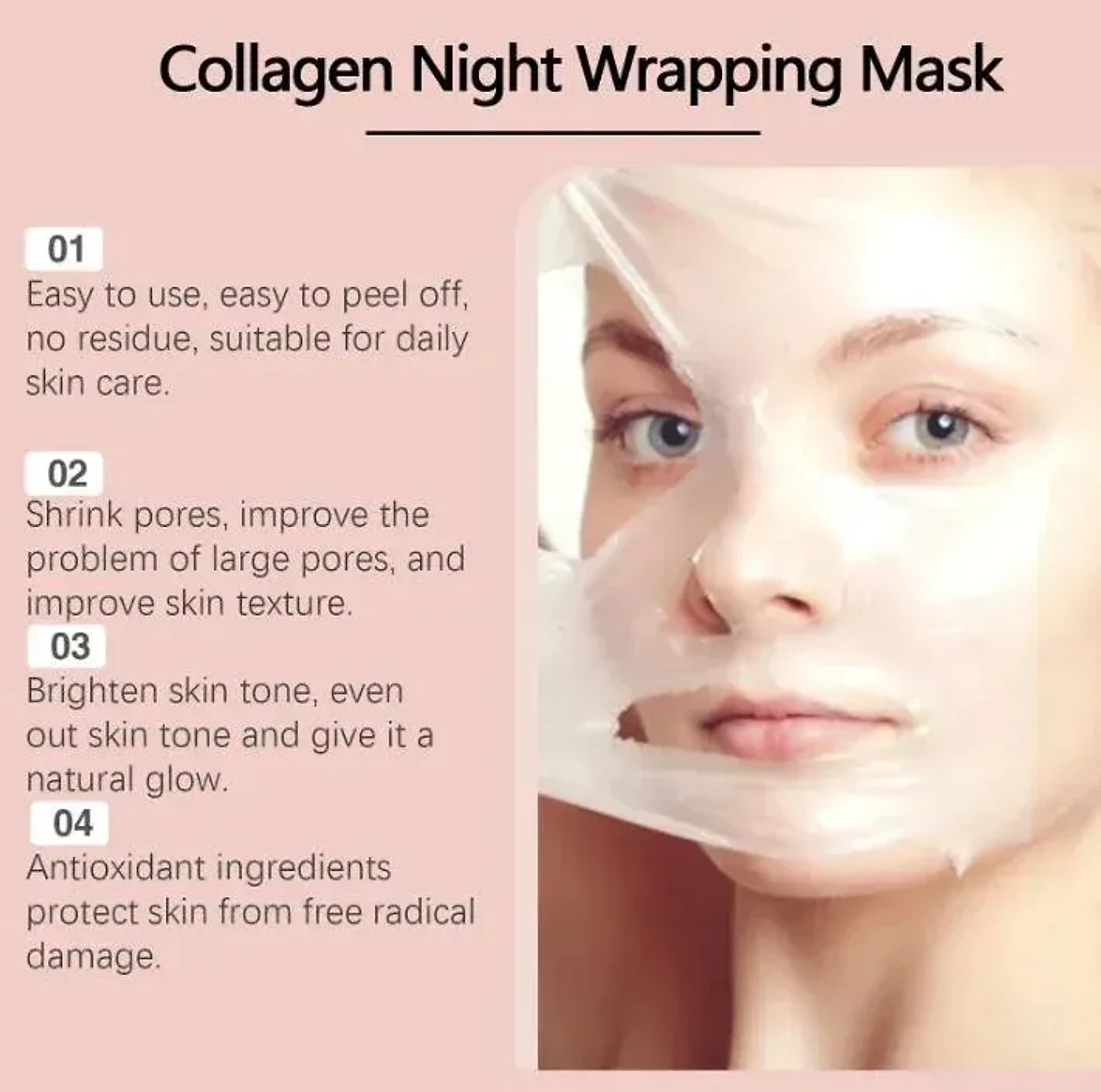
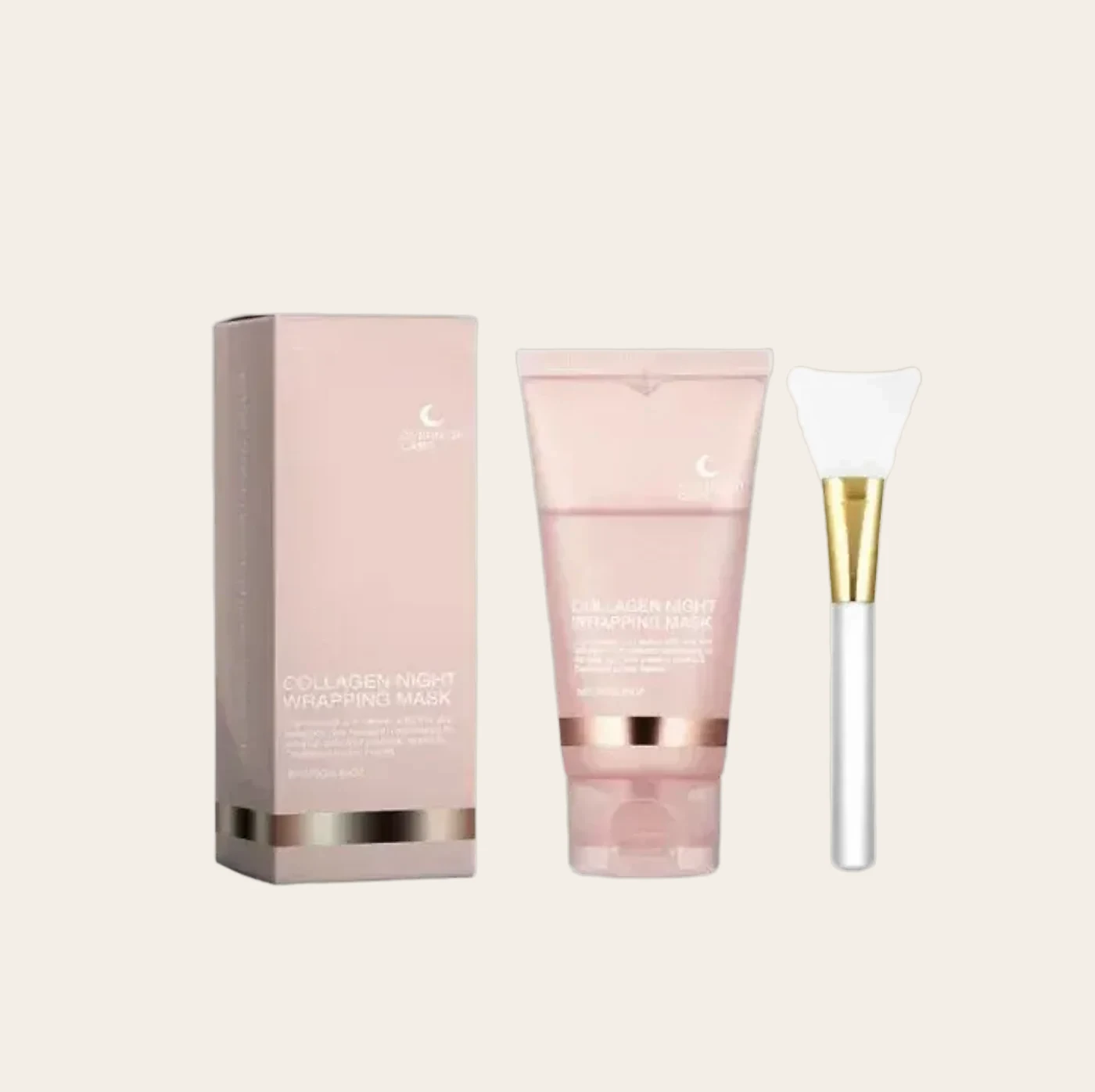
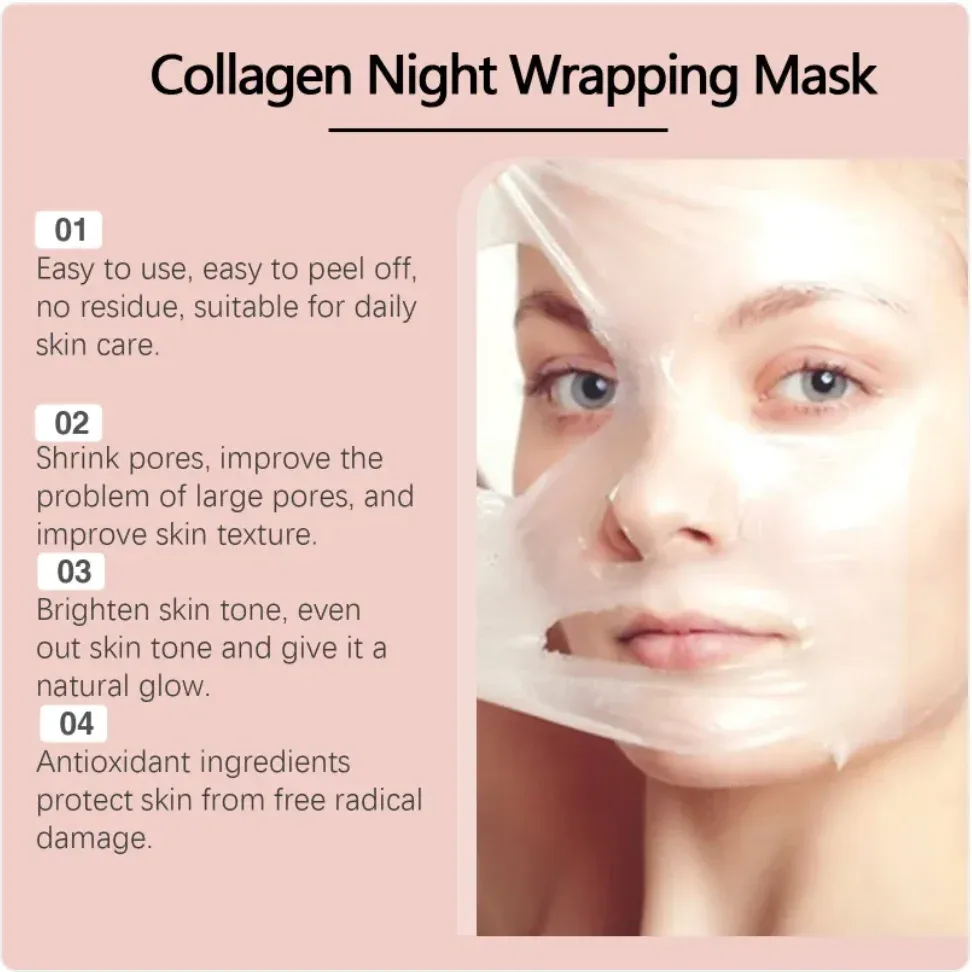
Una mascarilla peel-off o de tela como la Mascarilla Peel-Off Hidratante de Colágeno se asienta formando una película que mantiene la fórmula sobre la piel durante quince o veinte minutos. Esa oclusión hace un trabajo real: evita que el agua se evapore antes de ser absorbida. El formato más fiable para lograr un efecto de piel rellena visible a la mañana siguiente.
Una mascarilla peel-off como la Mascarilla Peel-Off Hidratante de Colágeno es la opción más satisfactoria y la más suave para un reinicio semanal.
Qué protege realmente el colágeno que ya tienes
Esta es la parte genuinamente útil, y no tiene nada de glamurosa:
Protector solar diario. Los rayos UV degradan el colágeno existente y alteran la producción de colágeno nuevo. Nada más en el cuidado de la piel se acerca al efecto protector de un SPF aplicado con constancia. Si solo vas a hacer una cosa, que sea esta.
Los retinoides, con meses de uso, son el activo tópico con mejor evidencia para favorecer la producción de colágeno. Lentos, poco emocionantes, eficaces. Los nuestros están en Firmeza y Renovación — el Sérum Facial de Bakuchiol si buscas la vía más suave — es el que conviene elegir si el retinol te ha irritado antes o si estás embarazada — y el Sérum Reafirmante de Oligopéptidos si prefieres trabajar con péptidos.
La vitamina C por la mañana favorece el proceso de síntesis y ayuda frente a la carga oxidativa diaria. El Sérum de Vitamina C Diario es la opción sencilla.
Dormir bien y no fumar, ambas cosas poco emocionantes, ambas más eficaces que la mayoría de lo que se puede comprar.
El resumen honesto
Una mascarilla de colágeno hace que la piel se vea hidratada, suave y rellena durante uno o dos días. Eso es algo legítimo de desear y legítimo de comprar.
No reconstruye el colágeno de tu dermis. Lo que protege eso son el protector solar, el tiempo y la paciencia — y una mascarilla el domingo por la noche porque sienta bien es perfectamente compatible con todo ello.