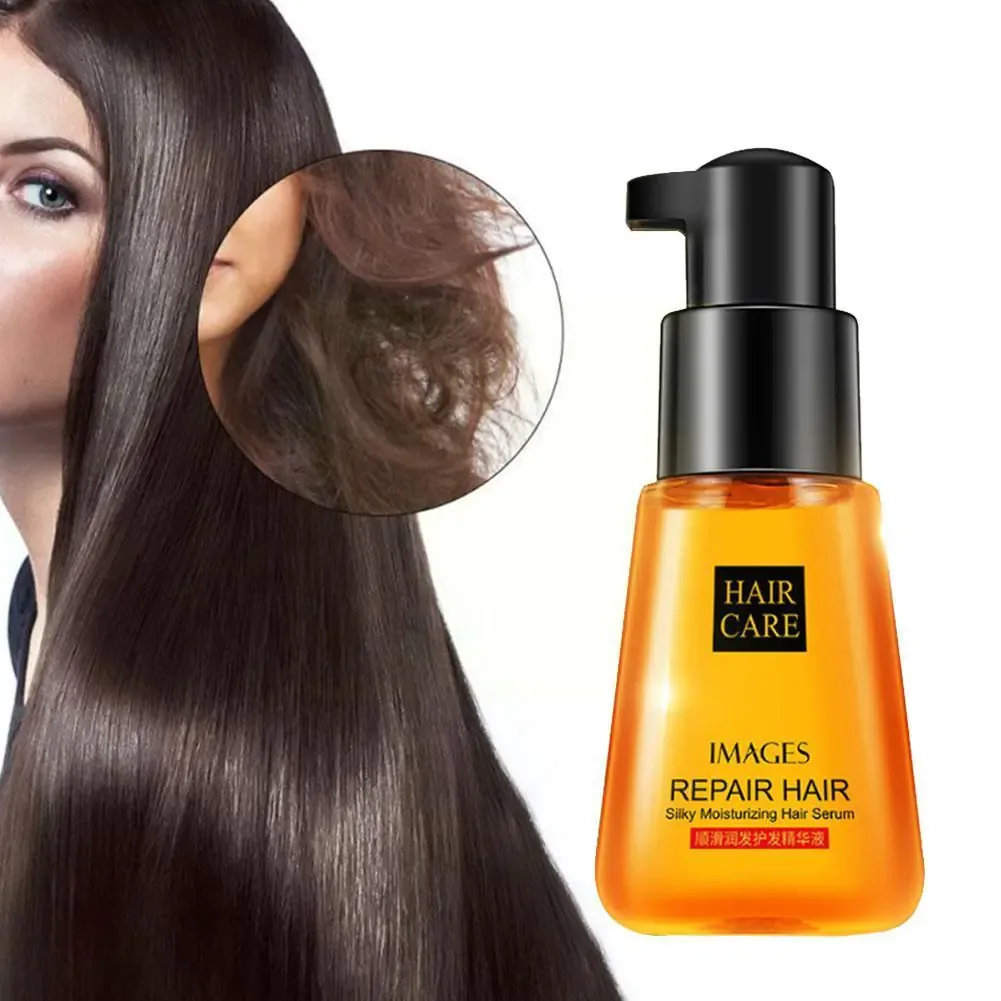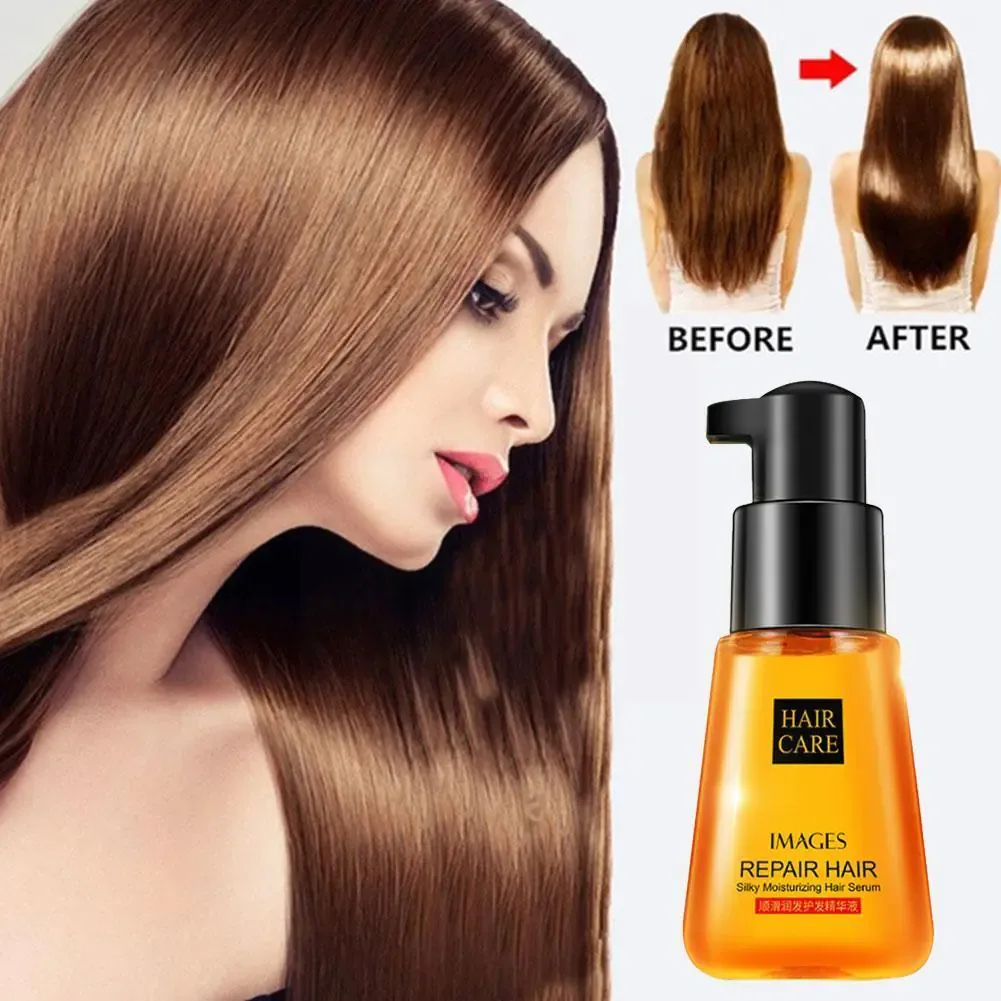
Shampoo removes oil, sweat, dead skin and product residue from your scalp and hair shaft. That is the whole job. It does not feed a follicle, thicken a strand, or repair split ends, no matter what the bottle says above the ingredient list. We don't currently stock a shampoo at AmberSkin, so if a search for one brought you here, this is the honest version of what you were looking for, and where to go instead.
Does shampoo make hair grow faster or thicker?
No. Hair growth happens at the follicle, under the scalp, and nothing you rinse off two minutes later reaches it in any meaningful way. A shampoo that foams well and smells good can leave hair looking fuller because it has removed the oil that was weighing it down, but that is a cleaning effect, not a growth effect. If a shampoo, serum or oil claims to stimulate growth, treat that claim as marketing rather than biology. We do not carry anything that makes that claim, and we would not sell it if we did.
Why does my scalp feel oily again by the afternoon?
Sebum production is mostly hormonal and genetic, and washing more often does not reduce how much oil your scalp makes tomorrow — it just removes what is there today. Over-washing can actually push some scalps to compensate by producing more oil, which is the opposite of what people are usually chasing. Most people do better washing less often than they think, and using a gentler formula rather than a stronger one when the scalp feels greasy fast.
Does conditioner repair damaged hair?
No, and neither does anything else applied from the outside. Conditioner coats the hair shaft and smooths the cuticle, which is why hair feels softer and looks shinier straight after use. That effect washes out with the next shampoo. It is a genuine improvement in feel and appearance while it lasts, not a repair to the hair's internal structure, which cannot be reversed once it is damaged. The only real fix for split ends is cutting them off.
What actually helps dry, brittle-looking ends?
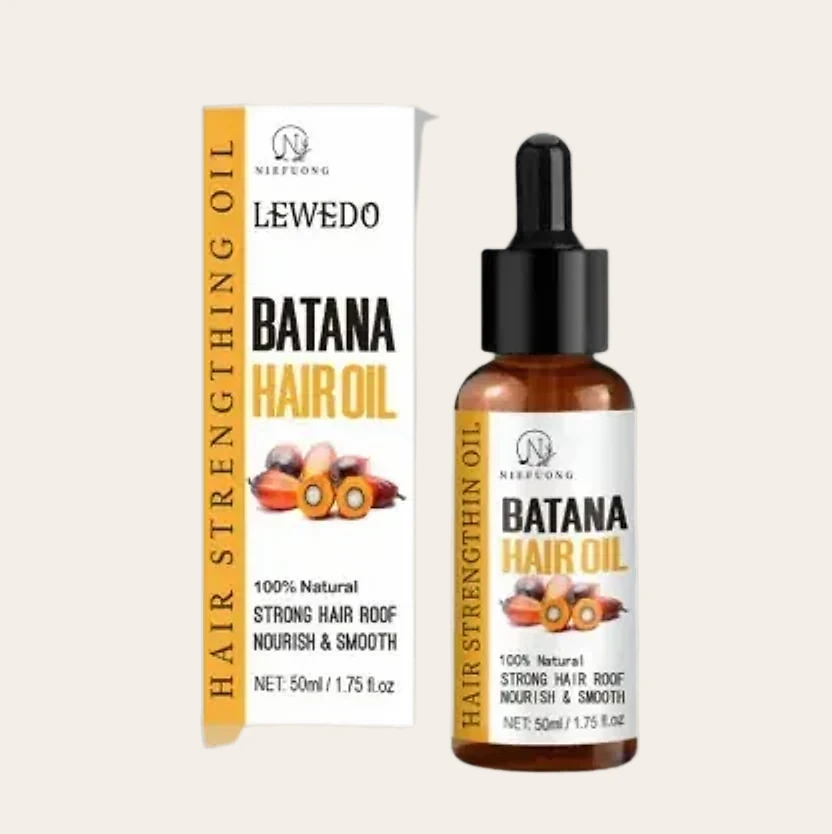
This is where oil earns its place, and it is honestly the better tool for dry lengths than most shampoos or conditioners. Batana hair oil is cold-pressed and sits well on dry ends without weighing hair down at the roots, and a dropper bottle makes it easy to use only where it is needed. Moroccan argan oil is a single-ingredient option that works the same way on hair, beard and dry patches of skin, so it is a reasonable thing to keep in a bathroom cabinet for more than one job. Neither of these changes what grows out of the scalp. They change how the hair that is already there looks and feels, which for most people chasing shinier, softer-looking hair is actually the thing they wanted.
Is a scalp exposed at the parting a skin concern too?
Yes, and it is one that gets missed. The strip of scalp along a parting gets the same UV exposure as the rest of your face, without the same attention, and it is a common site for sun damage over years of cumulative exposure. If you spend time outdoors with a visible parting, a hat does more for that strip of skin than any shampoo, oil or serum, and it is worth treating that patch of skin the same way you would treat your face.
What about styling products — do they count as haircare?
Styling is a separate job from cleaning or conditioning, and it is worth keeping the two apart in your head as well as your bathroom. Edge control styling pomade holds flyaways and edges in place with a firm finish, and it comes with its own brush, which matters more than people expect since the wrong brush undoes half of what the product does. It will not change the texture or health of the hair underneath. It sits on top of it, which is exactly what a styling product is for.
So what should you actually look for in a shampoo?
Since we don't sell one, the honest answer is to look at the label rather than the marketing on the front. A shampoo suited to your scalp — dry, oily, or somewhere in between — with a short, legible ingredient list, used at a frequency that suits how quickly your own scalp gets oily, will do everything a shampoo can reasonably do. Anything promising growth, thickness or repair on the bottle is describing something shampoo cannot deliver, whatever the price point.
Where does that leave you if you came here for shampoo?
We don't carry one, and we're not going to point you at something we don't stock and pretend it fits. What we do have is the hair and oral care collection, which covers the parts of a haircare routine that sit either side of washing — oil for dry ends, and tools rather than formulas for the rest. If your hair is dry at the lengths rather than oily at the roots, that is the gap our range actually fills, and it is worth starting there rather than with a cleanser we don't sell.
Tell us what shampoo you were actually looking for — sulfate-free, scalp-focused, something specific — and we will pass it to the buying team as a real request, which is the only way anything gets added to a shop like this one.